- https:
//www.allaboutvision.com/cosmetic/blepharoplasty.htm - https:
//www.matossianeye.com/what-is-blepharoptosis-and-what-can-i-do-about-it/ - https:
//www.everett-hurite.com/blog/what-is-ptosis-and-how-is-it-caused - https:
//www.mda.org/disease/myasthenia-gravis/signs-and-symptoms - https:
//www.aao.org/eye-health/diseases/what-is-ptosis
Ptosis
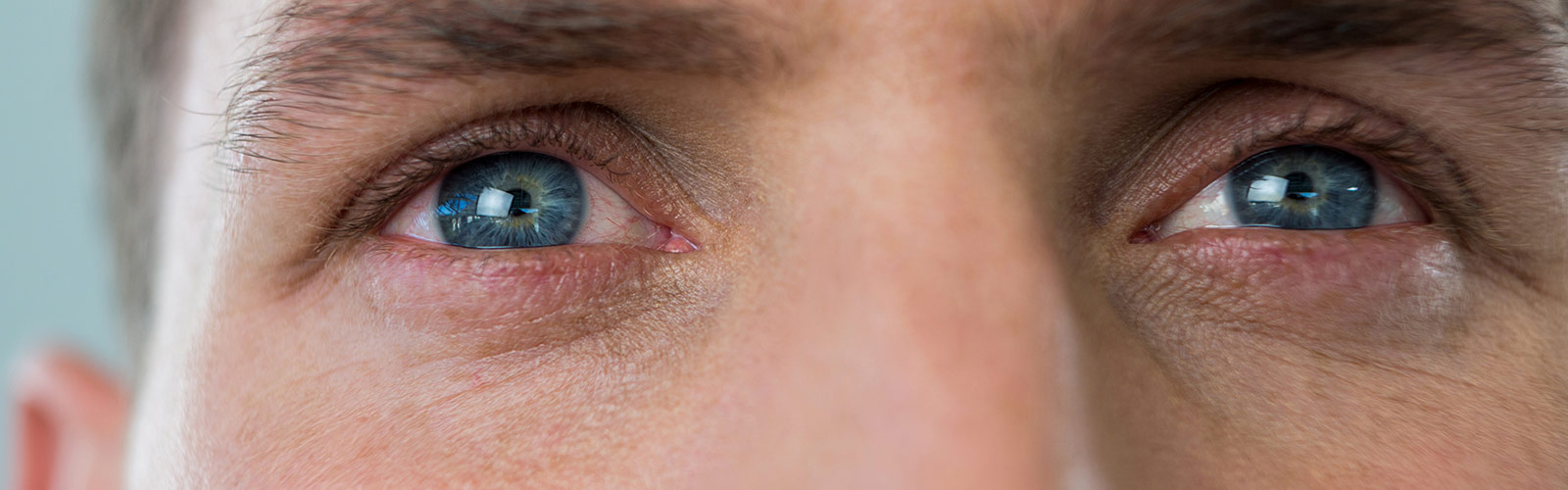
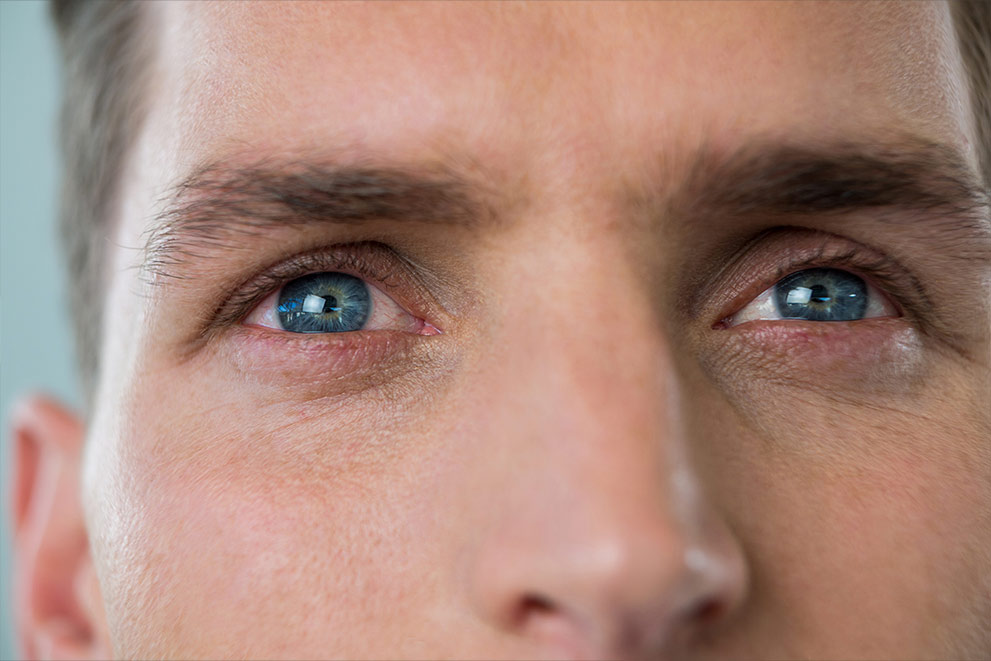
Ptosis is the medical name for when the muscles around the eye area and eyelids sag or droop. It is often referred to as “droopy eyelid” or sometimes by its full name, Blepharoptosis. Ptosis can occur in one or both eyelids. You may notice sagging of the upper eyelid, which happens when the eyelid falls lower than it should. Ptosis is a common symptom of Myasthenia Gravis and is often the first symptom sufferers will experience. Like all MG symptoms, Ptosis happens when muscles that control the eye area weaken, including the muscles that lift the eyelid. Ptosis can manifest in adults, but it is also a congenital condition, and, in some people, is present from birth.
Diagnosis
Your healthcare provider can help determine the degree of Ptosis by examining the eye area, upper eyelid and recording precise measurements. If you suffer from Ptosis, you may also experience other symptoms. These can include headaches, problems with vision – such as double vision, and difficulty speaking or swallowing. Consult your medical practitioner to get help with a diagnosis and treatment for Ptosis. If your healthcare provider discovers muscle weakness, they may recommend a blood test to see whether Myasthenia Gravis is also present.
Treatment
It is important to get a diagnosis for Ptosis from your healthcare provider before considering treatment. Blepharoplasty is sometimes a recommendation for patients suffering from Ptosis. During the procedure, repositioning of the muscles lifts the upper eyelid to a more natural elevated position. The surgeon may also remove excess skin or tissue to tighten the area around the eye.


Diagnosis & Treatment
Find out about the types of treatment available and how to get help.
Read more
Causes of MG
Myasthenia Gravis generally develops in adult life. Find out about the causes of MG.
Read moreIf you are concerned about anything you have read in this article, please seek advice from your healthcare provider.
References
Reporting side effects
You can help by reporting any side effects you may get. By reporting side effects you can help provide more information on the safety of this medicine.
If you get any side effects, talk to your doctor, pharmacist or nurse. This includes any possible side effects not listed in the patient information leaflet. You can also report side effects directly in the UK via the Yellow Card Scheme website: https://yellowcard.mhra.gov.uk or via the MHRA Yellow Card App in the Google Play or Apple App Store. In Ireland please report via the HPRA at https://www.hpra.ie/homepage/about-us/report-an-issue.
You can also report adverse events to UCB at UCBCares.UK@ucb.com or UCBCares.IE@ucb.com